
Enabling Integrated Copper Operations Through Connected Architectures
Published on 12 Jun 2026
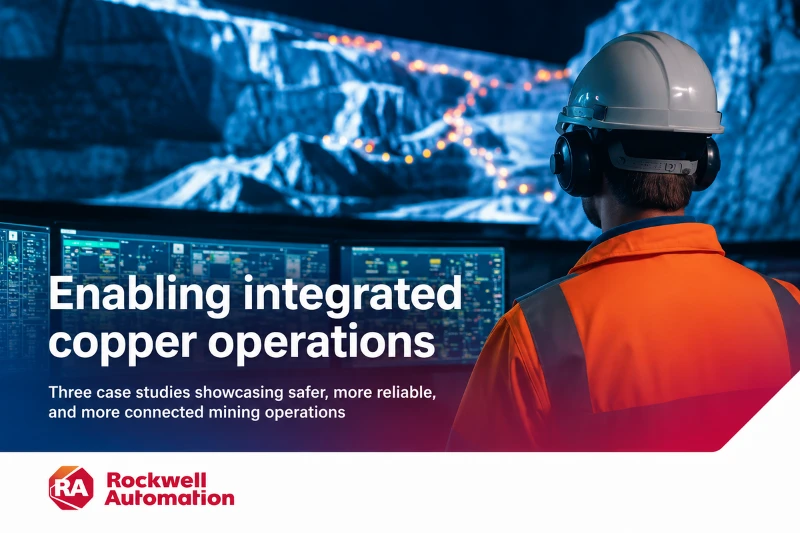
Copper producers are being challenged to achieve more from increasingly complex operations while maintaining high standards for safety, reliability, and sustainability. As mines expand, assets age, and production environments become more interconnected, many organizations are discovering that fragmented systems can limit performance and slow decision-making.
Integrated operational architectures are helping mining companies address these challenges by connecting automation, safety, networks, and data into a unified framework. This approach provides greater visibility across operations, enabling teams to respond faster, collaborate more effectively, and make decisions based on real-time information.
Why Integration Is Becoming Essential
Modern copper operations span underground mining, processing facilities, infrastructure networks, and smelting environments. When these systems operate independently, valuable information remains isolated, creating inefficiencies and increasing operational risk.
Integrated architectures provide a way to bring these environments together, allowing organizations to create a connected operational ecosystem where people, processes, and technology work in alignment.
The full guide showcases how leading copper operations have applied this approach to overcome complex operational challenges and build a foundation for long-term success.
The Challenges Facing Copper Producers
As mining operations evolve, organizations frequently encounter challenges such as:
- Limited visibility across operational systems
- Aging infrastructure and obsolete control environments
- Increasing maintenance and reliability concerns
- Safety requirements in complex operating conditions
- Cybersecurity risks associated with growing connectivity
- Difficulties scaling operations while maintaining efficiency
These challenges can impact productivity, increase costs, and reduce operational flexibility if not addressed through a coordinated strategy.
A More Connected Operating Model
Forward-thinking mining organizations are adopting integrated architectures that connect critical operational systems through a common framework.
This enables centralized monitoring, improved communication between departments, and enhanced operational awareness. By creating a shared view of production, maintenance, and safety information, organizations can improve coordination while reducing response times during critical events.
The case studies featured in the complete asset reveal how different copper operations approached integration based on their unique business objectives and operational environments.
Beyond Modernization
Integration is not simply about replacing legacy technology. It is about creating an environment where operational data becomes more accessible, actionable, and valuable.
Advanced monitoring, centralized control, predictive maintenance capabilities, and improved governance practices all contribute to stronger operational performance. Organizations can gain greater confidence in decision-making while reducing the risks associated with disconnected systems.
The guide explores how these capabilities have helped mining operations improve reliability, strengthen safety programs, and establish more resilient production environments.
Lessons from Real-World Copper Operations
The featured case studies examine how major copper producers addressed challenges ranging from underground mine expansion and plant modernization to large-scale control system upgrades.
Each organization faced different operational constraints, yet all pursued a common objective: creating a connected environment capable of supporting future growth, improved performance, and sustainable operations.
While the specific technologies and implementation strategies vary, the outcomes demonstrate the value of integrating automation, networks, safety systems, and operational data into a cohesive architecture.
Building a Foundation for Future Growth
As copper demand continues to increase, mining organizations need operational models that can adapt to changing business requirements while supporting efficiency, reliability, and innovation.
Integrated architectures provide a pathway toward that future by enabling greater visibility, stronger collaboration, and more informed decision-making across the value chain.
The full guide provides detailed case studies, implementation approaches, and operational insights that demonstrate how integrated copper operations are delivering measurable results across the industry.
Download now to learn more about how integrated architectures are helping copper producers improve safety, reliability, and operational performance.