
Introduction: Rethinking Governance in Complex Environments
Published on 18 Feb 2026
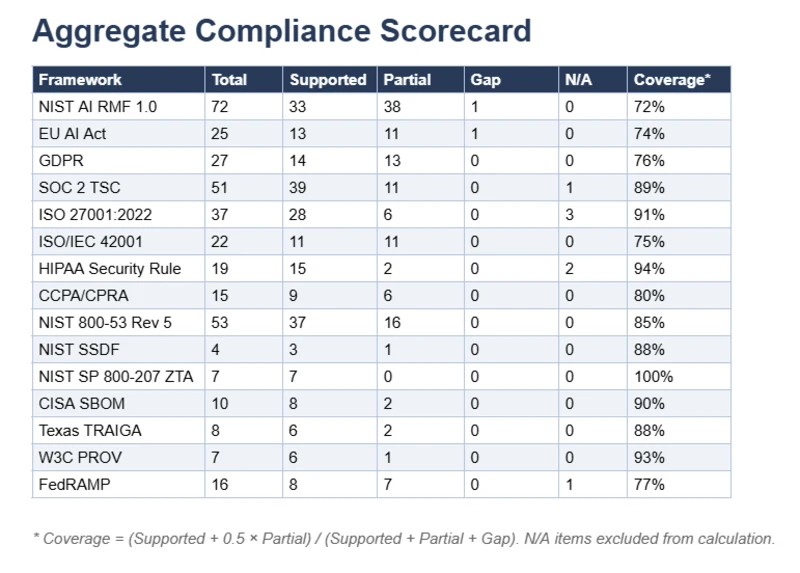
In highly regulated and operationally complex sectors, governance is often treated as a compliance checkpoint rather than a strategic enabler. Yet as regulatory frameworks evolve and public accountability intensifies, organisations can no longer afford fragmented oversight models. The THEMIS framework introduces a structured, system-driven approach to governance—designed to integrate compliance, operational visibility, and strategic control into a unified model.
Rather than adding new layers of bureaucracy, the framework focuses on architectural clarity. It defines roles, accountability structures, escalation pathways, and monitoring mechanisms in a way that strengthens resilience while preserving operational agility.
This excerpt outlines the structural challenges modern organisations face and previews how the THEMIS model addresses them.
The Governance Gap
Complexity Without Coherence
Many organisations operate across multiple jurisdictions, regulatory standards, and internal control systems. Over time, governance processes accumulate organically—often reactive to specific incidents or regulatory updates. The result is duplication, ambiguity, and inconsistent enforcement.
Common symptoms include:
-
Overlapping approval workflows
-
Unclear ownership of risk domains
-
Delayed escalation of critical issues
-
Limited cross-functional transparency
-
Audit fatigue without meaningful insight
The issue is rarely effort; it is structural fragmentation.
From Compliance-Driven to Architecture-Driven Governance
Why Process Alone Is Not Enough
Traditional governance models rely heavily on documentation and periodic reviews. While necessary, these mechanisms often lack integration with operational workflows. THEMIS introduces a shift from documentation-heavy oversight to architecture-based governance—where structure, accountability, and monitoring are embedded directly into organisational systems.
This shift ensures governance becomes continuous rather than episodic.
Core Components of the THEMIS Framework
1. Defined Accountability Layers
Clear delineation of strategic, operational, and tactical responsibilities reduces ambiguity. Each layer has explicit authority boundaries and escalation protocols. This prevents both micromanagement and accountability gaps.
2. Integrated Risk Visibility
Rather than isolating compliance reporting within individual departments, the framework centralises visibility. Risk indicators are aggregated and contextualised, enabling leadership to assess patterns rather than isolated events.
3. Escalation and Intervention Protocols
Structured escalation paths ensure that high-impact issues are surfaced early. By formalising thresholds and response timelines, organisations reduce decision latency and regulatory exposure.
4. Continuous Oversight Loops
THEMIS incorporates scheduled governance reviews tied to measurable indicators. This ensures that oversight adapts alongside operational changes, reducing reliance on reactive corrections.
5. Cross-Functional Alignment
Governance often fails at departmental boundaries. The framework establishes shared oversight mechanisms that bridge compliance, operations, legal, and executive leadership—creating coherence across silos.
Practical Implications
When applied in complex environments, the THEMIS model enables measurable improvements in oversight efficiency and risk detection. Organisations report clearer reporting hierarchies, faster issue resolution, and improved regulatory audit outcomes.
More importantly, governance shifts from being perceived as a constraint to becoming a stabilising foundation for growth. By clarifying control architecture, leadership gains greater confidence in decision-making under uncertainty.
Why Governance Architecture Matters Now
Regulatory scrutiny continues to intensify across industries. Stakeholders expect transparency, traceability, and demonstrable accountability. Fragmented governance structures are increasingly unsustainable in this environment.
THEMIS provides a structured roadmap for transitioning from reactive compliance to proactive governance architecture. It details implementation phases, control mapping techniques, escalation design principles, and integration methods with existing enterprise systems.
This excerpt introduces only the foundational elements. The full document explores comparative models, implementation case studies, metrics frameworks, and scalability considerations in greater depth.
Download now to learn more about how the THEMIS governance framework can strengthen oversight, reduce risk, and build long-term organisational resilience.