

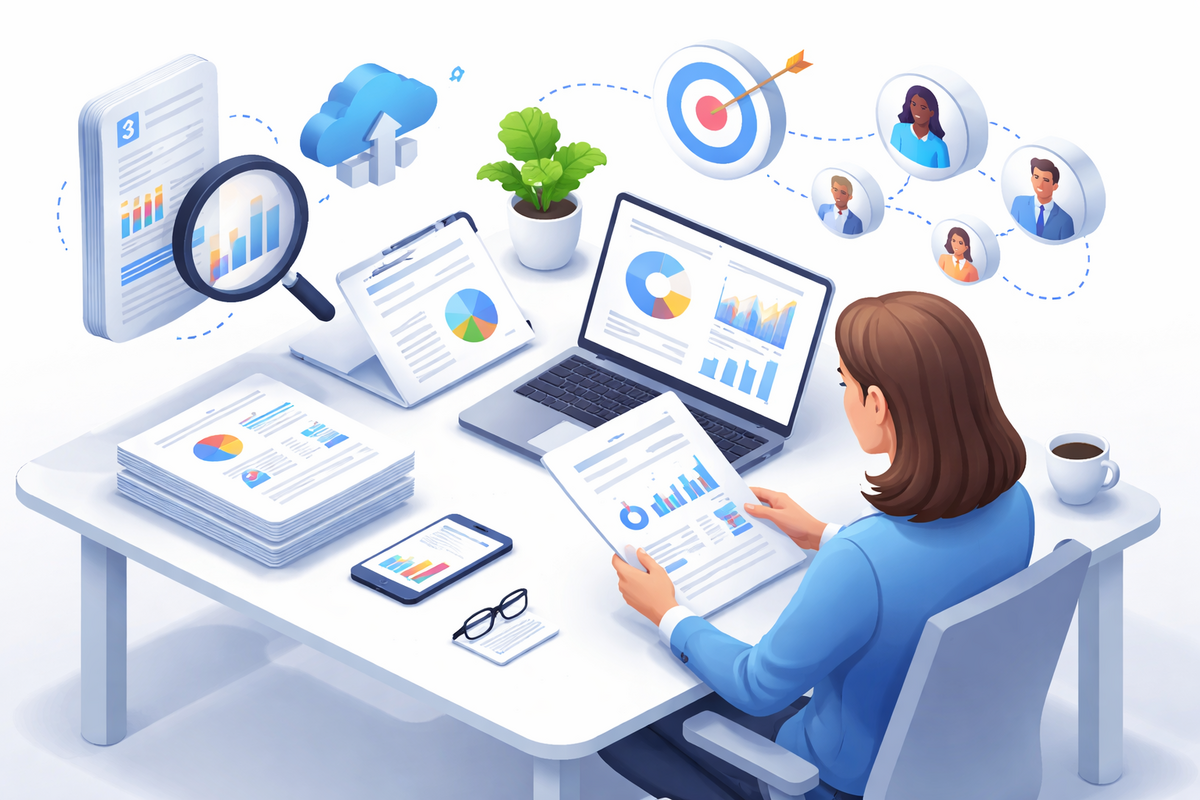
Human resources departments are experiencing a major shift as organizations increasingly adopt digital technologies to manage talent and workforce operations. Among these technologies, artificial intelligence (AI) has emerged as one of the most transformative forces shaping modern HR practices.
From automating recruitment processes to providing workforce insights through advanced analytics, AI is enabling HR teams to operate more efficiently while making data-driven decisions.
As companies compete for top talent and navigate changing workplace expectations, AI-powered HR solutions are becoming essential tools for improving recruitment strategies and enhancing employee experiences.
For HR leaders seeking to modernize workforce management, understanding the role of AI in talent acquisition and HR decision-making is becoming increasingly important.
The Growing Role of AI in HR Technology
Artificial intelligence is rapidly becoming a central component of HR technology platforms.
Modern HR systems use machine learning algorithms to analyze large volumes of workforce data, identify patterns, and generate insights that support strategic decision-making.
These capabilities allow HR teams to gain deeper visibility into talent trends, employee performance, and workforce dynamics.
AI-powered systems can process information at a scale that would be impossible through manual analysis, making them valuable tools for organizations with large and diverse workforces.
Improving Talent Acquisition Through AI
Recruitment is one of the areas where AI is delivering significant benefits.
Hiring processes often involve reviewing thousands of resumes, scheduling interviews, and evaluating candidate qualifications.
AI-powered recruitment tools can streamline these tasks by automatically analyzing resumes, matching candidates with job requirements, and ranking applicants based on relevant skills and experience.
This automation helps HR teams identify qualified candidates more quickly while reducing the time and resources required for manual screening.
As a result, organizations can accelerate hiring processes and improve overall recruitment efficiency.
Enhancing Candidate Experience
In addition to improving efficiency, AI technologies are also enhancing the experience of job candidates.
AI-driven chatbots and virtual assistants can provide real-time responses to candidate inquiries, guide applicants through the recruitment process, and schedule interviews automatically.
These tools help maintain consistent communication with candidates while reducing administrative workloads for HR teams.
A positive candidate experience can significantly impact employer branding and increase the likelihood that talented professionals will engage with an organization.
Data-Driven HR Decision-Making
One of the most valuable contributions of AI in HR is its ability to support data-driven decision-making.
AI-powered analytics platforms can analyze workforce data to identify trends related to employee performance, retention, and engagement.
For example, predictive analytics tools can help HR leaders anticipate employee turnover by identifying factors that influence retention.
These insights allow organizations to proactively address workforce challenges and develop more effective talent management strategies.
Supporting Workforce Planning
Strategic workforce planning is becoming increasingly important for organizations navigating rapidly changing business environments.
AI technologies help HR teams analyze workforce data, forecast talent needs, and identify skills gaps within the organization.
By understanding future workforce requirements, companies can develop targeted recruitment and training strategies to ensure they have the right talent in place.
This proactive approach enables organizations to remain competitive while adapting to evolving market demands.
Addressing Challenges in AI Adoption
While AI offers significant benefits for HR operations, organizations must also address several challenges when implementing these technologies.
Data privacy and ethical considerations are important factors, particularly when handling sensitive employee information.
Organizations must also ensure that AI systems are designed to minimize bias and promote fair hiring practices.
Successful adoption requires careful planning, transparent policies, and collaboration between HR professionals and technology teams.
The Future of AI in Human Resources
As artificial intelligence technologies continue to advance, their role in HR is expected to expand even further.
Future HR platforms may incorporate more sophisticated workforce intelligence capabilities, enabling organizations to analyze employee sentiment, predict performance trends, and personalize employee development programs.
AI-driven insights will also help HR leaders make faster and more informed decisions about talent acquisition and workforce strategy.
These innovations will transform HR departments into highly strategic functions within modern organizations.
Why AI Matters for HR Leaders
In today’s competitive talent landscape, organizations must adopt innovative tools to attract, develop, and retain skilled professionals.
AI-powered HR technologies provide the insights and automation needed to manage talent more effectively while improving operational efficiency.
By leveraging artificial intelligence, HR leaders can move beyond traditional administrative roles and focus on strategic initiatives that support organizational growth.
As digital transformation continues across industries, AI will play an increasingly important role in shaping the future of human resources and talent management.